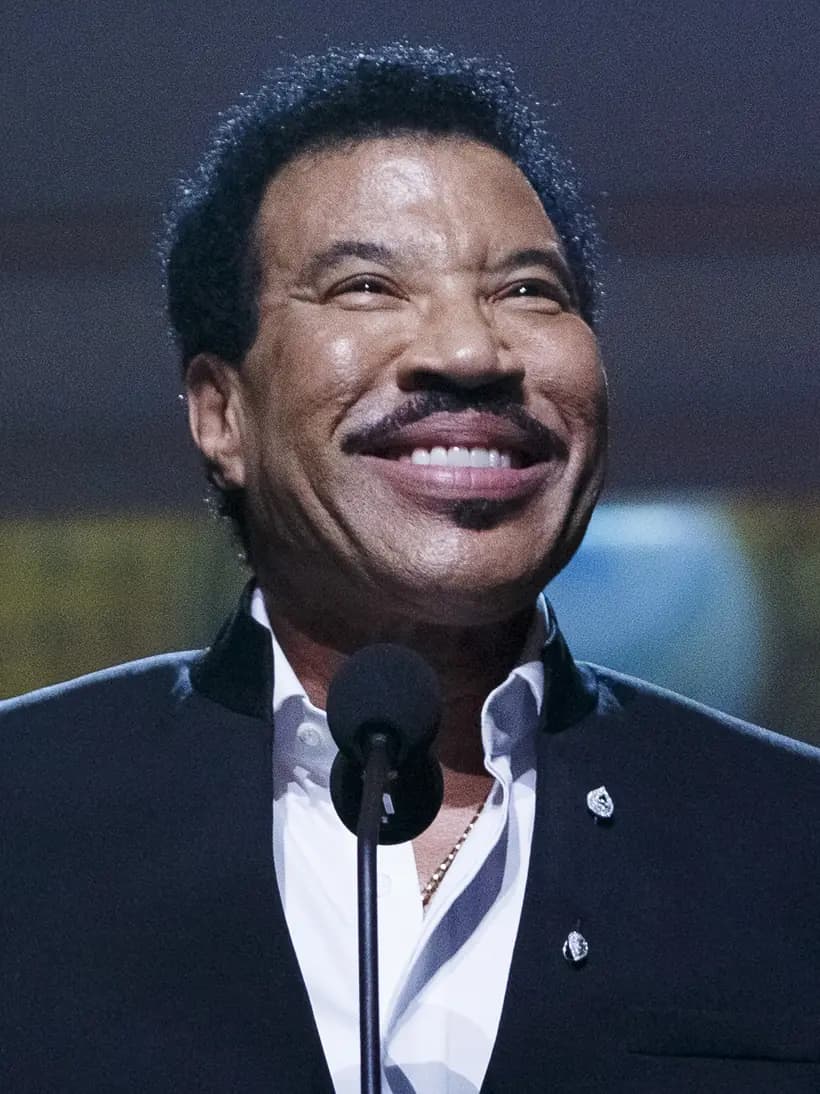

Lionel Richie has not trademarked his voice, and the headlines suggesting otherwise miss what makes the story useful. What happened on June 11, 2026 is narrower: RichLion Holdings, Richie's intellectual property holding company, filed four applications asking the USPTO to register audio recordings of Richie saying four famous phrases from his songs as service marks. Nothing is registered, no use has been claimed, and examination has not begun.
If you are building a business around a name, a phrase, or a sound that audiences recognize, the filings are worth reading closely. Trademark law draws a line that surprises most people: fame alone is not a brand. A phrase becomes a trademark only when customers hear it as the signature of specific products or services, and these four applications will be examined on exactly that question. The records also show, step by step, how Richie's team has turned a famous phrase into registered rights once before.
The four applications RichLion Holdings filed on June 11
Each of the four applications asks the USPTO to register a sound: an audio recording, filed as a sensory mark, of Richie saying one of the famous phrases from his songs. The four phrases are "Hello, is it me you're looking for", "Say you, say me", "Easy like Sunday morning", and "All night long".
One point frames everything that follows: a sound mark protects the specific recording on file, used for the services listed in the application, rather than a voice in general. Whatever these filings achieve, the asset at stake is four recordings working as brand signals.
All four applications cover identical services in International Class 41: providing information in the field of music and entertainment, artist information and news, and websites featuring audio recordings and videos about a musical artist. All four were filed on an intent-to-use basis, which means no use in commerce has been claimed yet, and each record carries the same status: a new application awaiting assignment to an examining attorney.
A sound has to work like a brand before the USPTO will register it
Trademark law protects source identifiers: a mark earns protection by telling consumers who a product or service comes from. Sounds can do that job. Established sound marks, such as the NBC chimes, became brands because audiences heard the same sound in the same context until the sound itself answered the question of who is providing the service.
A famous lyric offered as a service mark sits in harder territory. The question an examiner asks is whether consumers perceive the sound as a brand for the listed services or simply as the famous phrase itself. Examiners call this the failure-to-function inquiry, and it is the test these applications will eventually face. Because the filings are intent-to-use, the decisive evidence does not exist yet. The honest answer to the headline question is that a spoken phrase can become a registered mark, and that fame does not make it automatic. If anything, fame cuts the other way: the better known the phrase, the harder it is to show that customers hear it as a brand rather than as the song.
The luggage-tag lesson: how the same phrase became a registered trademark
The most instructive document in this story is not one of the new applications. RichLion Holdings already holds a registration on the phrase HELLO IS IT ME YOU'RE LOOKING FOR? as a standard-character word mark, and its official prosecution history shows how trademark use for a famous phrase gets built.
According to the official USPTO record for that registration, the company filed that application on an intent-to-use basis on February 10, 2021. The mark was published in October 2021 and received a notice of allowance that December. The company then obtained five extensions of time between 2022 and 2024, filed a statement of use in September 2024 claiming first use in August 2024, responded to an office action, and secured registration on September 9, 2025. The registered goods are luggage tags in Class 18.
There is nothing improper in that sequence; the USPTO examined the use and accepted it. The lesson is operational rather than cautionary. Intent-to-use practice allows an applicant to reserve a mark first and build qualifying commercial use afterward, within statutory deadlines, by bringing real goods or services to market under the mark. The new sound-mark applications will need their own version of that story. Before any of the four can register, the recordings will have to be used in commerce as real audio signatures for the artist-information services in the applications, the way a network uses its chimes, and that use will have to be proven to the USPTO.
A registered sound mark would be one layer of voice protection rather than voice ownership
The applications themselves never mention artificial intelligence, but they did not arrive in a vacuum. Celebrity teams have been moving to register voice and image marks this year: we examined Taylor Swift's voice and image filings from the official records in the spring. The practical question behind this wave is what a registered sound mark would add against AI voice cloning.
Our read is a measured one. If these marks register, the owner would gain confusion-based enforcement tools: infringement and false-designation claims against uses of the same or similar sounds in connection with similar services. That could include AI-generated sound-alikes used in ways consumers attribute to Richie. However, the theory is untested, and it comes with a built-in limit: trademark rights are tethered to the registered services and to consumer confusion. A registration would not give anyone general ownership of a voice.
Protection for the voice itself currently comes from a different stack. Tennessee's ELVIS Act, effective July 1, 2024, made an individual's voice a protected property right and reaches technology whose primary purpose is producing a person's voice or likeness without authorization. California Civil Code § 3344, amended effective January 1, 2026, prohibits unauthorized commercial use of a person's name, voice, signature, photograph, or likeness. At the federal level, courts have recognized liability for confusing commercial voice imitation under 15 U.S.C. § 1125(a), the line of authority associated with Midler v. Ford Motor Co. and Waits v. Frito-Lay, Inc.. Meanwhile, Congress is considering the NO FAKES Act of 2026, a pending bill to protect intellectual property rights in the voice and visual likeness of individuals; it was referred to the Senate Judiciary Committee in May, and it is not law.
The sound-mark strategy is therefore an additional layer rather than a replacement. Our right of publicity guide for creators maps the existing protections in depth, and our right of publicity and AI likeness practice works at exactly this intersection.
The order of operations for protecting a name, phrase, or sound
For working creators and founders, the filings separate two things that feel identical from the inside: recognition and ownership. For trademark purposes, the question is never whether people know your phrase or your sound. The question is whether it identifies the source of goods or services in commerce.
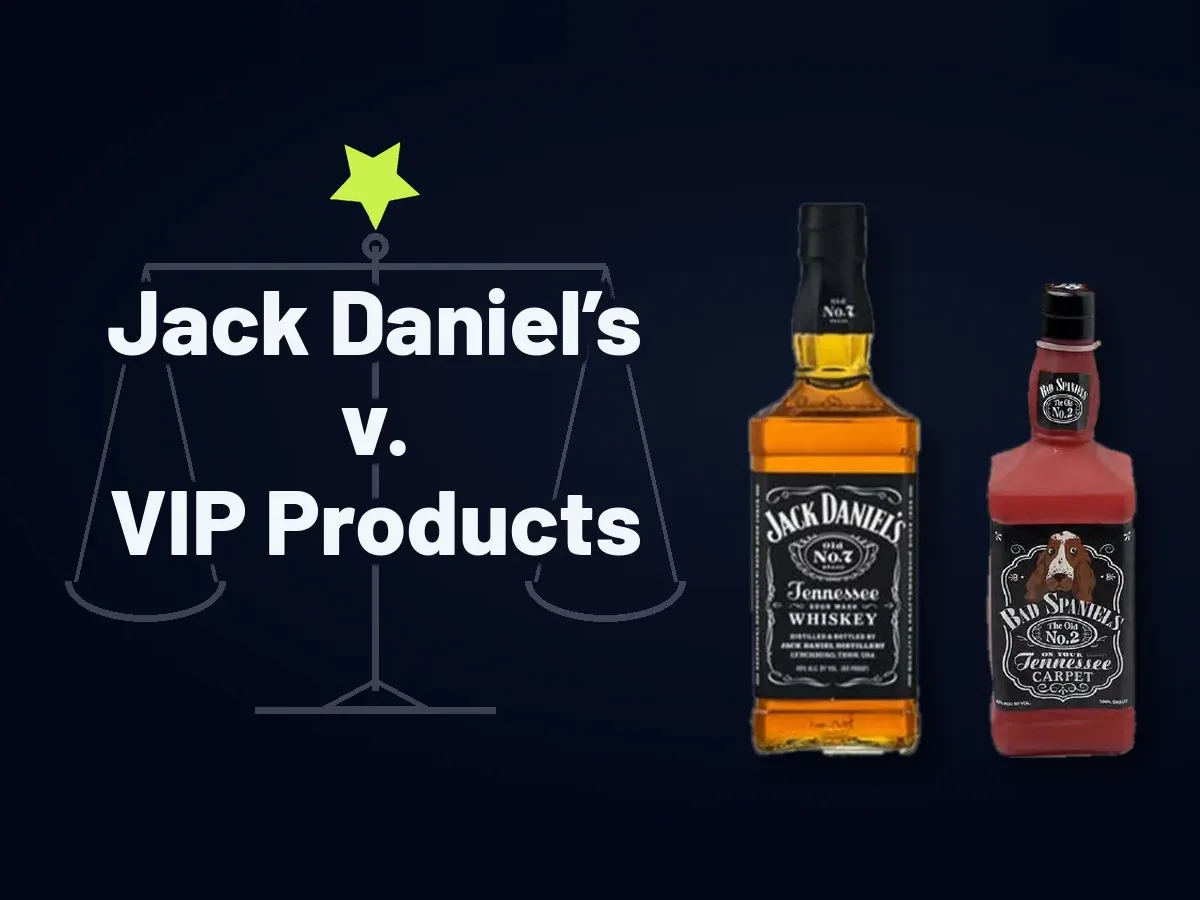
That distinction produces a practical order of operations. Register the name first: an artist name, stage name, or brand name that functions as a trademark is the foundation the rest builds on, and the guide How to Trademark Your Brand covers search, filing, classes, and maintenance. If a phrase, sound, or other signature element recurs in how customers find and recognize your work, document that use as you go; filing dates, specimens, and dates of first use determine how the record reads years later, as the luggage-tag history demonstrates. Voice misuse is governed by right-of-publicity and false-endorsement law regardless of trademark status, so know which state protections apply to you. Additionally, remember that registration is a foundation rather than immunity: even businesses holding registrations end up in court when marks collide.
The Richie applications will answer their own question slowly, through examination, and we will follow the records as they develop. Your own decisions do not need to wait for that outcome. If a name, phrase, or sound carries your business and you are deciding whether and how to protect it, StarGuard Law's trademark practice handles clearance, filing strategy, and enforcement planning, and the discovery call is where this gets specific to your facts.
Fame can make a phrase recognizable; only use as a brand makes it a trademark. That's the bottom line.
This article is for general information only — not legal advice.