Trademark Search
& Clearance
Do You Actually Need This?
If any of these apply, search before you commit.
YOU'RE ABOUT TO FILE A TRADEMARK APPLICATION
- Filing without a search is the most expensive shortcut available.
- A USPTO refusal costs you the filing fee plus months of timeline.
- Senior common-law marks can block you even with a clean federal record.
- Searching first is cheaper than fixing it later.
YOU'RE INVESTING IN A BRAND OR ABOUT TO LAUNCH
- Logos, packaging, and ad spend compound the cost of a name change.
- If a senior user surfaces post-launch, you rebrand under their timeline.
- A clearance search before launch is insurance, not a cost.
- The math is brutal once the name has traction.
YOU'VE BEEN USING THE NAME WITHOUT EVER CLEARING IT
- Common-law rights accrue with use, but so do conflicts.
- The longer you operate, the more is at stake when one surfaces.
- A retroactive search tells you if you have priority or risk.
- It is better to discover a conflict on your terms.
YOU GOT A CEASE-AND-DESIST OR ARE WEIGHING NAME CANDIDATES
- You need to know what the senior user actually has.
- Or which of your candidates is genuinely clear of conflict.
- A clearance opinion gives you a written basis for the decision.
- Acting on facts beats acting on hope when stakes are high.
The worst version of this story is not a rejection letter.It is a cease-and-desist that arrives after your brand has traction.
What You Get
USPTO federal database search
We search your mark across all relevant Nice classification classes in the USPTO federal registry. Phonetic variants, spelling alternatives, foreign-language equivalents, and related classes are all covered. The objective is to surface every federal mark that could create a likelihood-of-confusion problem with your application before you file.
State and common law registries
All 50 US state trademark registries are reviewed for in-state conflicts. Common law search captures unregistered marks in active commercial use, the layer most self-directed searches miss entirely. Senior common-law rights can block your application even when the federal record looks clean and uncontested.
Domain, social, and business name search
Domain availability across .com, .co, .io, and other extensions, plus Instagram, TikTok, YouTube, LinkedIn, and X handles. State corporate filings, DBA registrations, and trade name records are reviewed for any conflict that could compete with your mark in commerce or block your platform launch.
Clearance opinion and recommendation
Not a database printout. A written legal analysis that compares each result to your mark under USPTO likelihood-of-confusion standards, assigns a risk level per conflict, and gives you a clear recommendation: file as-is, modify the mark, file in a different class, or reconsider the name entirely.
Flat Fee. No Surprises.
Knockout Search
$395fast preliminary screen- USPTO federal database search across relevant classes
- Phonetic and spelling variant review
- Brief written summary of conflicts found
- Go or no-go assessment from your attorney
- Credit applied to Brand Locked if you file
Full Clearance + Opinion
$995complete pre-filing clearance- Federal, state, and common law search
- Domain, social media, and DBA search
- Full written attorney clearance opinion
- Strategic recommendation: file, modify, or reconsider
- Credit applied to Brand Locked if you file
Brand Locked
Recommended$2,995USPTO filing fee separate- Clearance search and attorney opinion letter
- Application drafted and filed by attorney
- Non-substantive Office Action replies
- Monitoring through registration
- Delivery of the final registration certificate
Common Questions
What is a trademark clearance search?
A clearance search checks whether your proposed mark conflicts with any existing trademark registrations or prior uses before you file or invest in the name. It covers the USPTO federal registry, state registrations across all 50 US states, common law marks that are unregistered but actively used in commerce, domain names, and business name filings. The result is a written legal opinion that identifies each conflict, assigns a risk level, and gives you a recommendation on whether and how to proceed.
Book a free discovery callDo I need a clearance search before filing a trademark application?
There is no legal requirement to search before filing. But skipping it is one of the most expensive decisions a brand can make. If your application is refused because of a conflicting mark a search would have caught, you lose your filing fees and potentially months of timeline. If a rights holder with senior common law use sends a cease-and-desist after you have launched and built traction, the cost of rebranding will exceed the cost of the search by a significant margin. Search first. The risk equation only gets harder after you have invested in the name.
Book a free discovery callWhat is the difference between a knockout search and a full clearance search?
A knockout search is a quick scan of the USPTO federal database to identify obviously conflicting marks: identical or near-identical marks in the same class. It is fast and inexpensive, but it will miss common law marks, state registrations, phonetically similar marks in related classes, and unregistered uses that still carry priority rights. A full clearance search covers all of those layers and ends with a written legal opinion. For a brand name you are committing to and investing in, a knockout search is a starting point, not a conclusion.
Book a free discovery callCan I trademark something AI-generated, like a name from ChatGPT or a logo from Midjourney?
For a name, generally yes. Trademark protection attaches to the use of a mark in commerce, and the process by which the name was generated is not relevant to USPTO registrability, as long as the mark is distinctive and not confusingly similar to a senior mark. For a logo, the analysis is more complicated. Pure machine-generated images currently fail copyright protection under US Copyright Office guidance, but trademark protection runs on a separate framework. You can hold a registered trademark in a logo without holding copyright in the same image, which affects how you can stop someone else from using a similar design. AI name-generation tools also do not check for trademark conflicts, so a full clearance search is doubly important when the name came out of an AI workflow. We work through both layers in the clearance step.
Book a free discovery callWhat happens if my name is already in use by someone else?
It depends on the nature of the conflict. A registered mark in a completely unrelated goods and services category may not block your filing. A mark that sounds similar but is not identical may have room for coexistence. A common law mark with limited geographic use may present only regional risk. The clearance opinion breaks down each conflict, explains the specific risk it carries, and gives you options: file as-is, modify the mark, file in a different class, or reconsider the name. You will not receive a simple yes or no. You will receive a clear picture of the risk and a recommended path forward.
Book a free discovery callHow long does a trademark clearance search take?
A knockout search is completed in 2 to 3 business days. A full clearance search with a written opinion typically takes 5 to 10 business days from the date of engagement. If you are working against a launch deadline, a deal closing, or an active dispute timeline, raise that at the outset and we will tell you what is feasible.
Book a free discovery callDoes a clearance search guarantee my trademark will be approved?
No. A clearance search tells you what the risk profile looks like at the time the search is conducted. It cannot account for applications filed after your search date, or for an examining attorney's interpretation that differs from the opinion. What it does is significantly reduce the risk of filing into a conflict and gives you a documented basis for the filing decision. A clean clearance search also supports your good-faith position if a dispute surfaces later about when and how you adopted the mark.
Book a free discovery callI already launched my brand. Is it too late to run a clearance search?
No. A post-launch search is still valuable, even though the result changes how you act on it. It tells you whether you have built up senior common law rights, whether an existing registration presents ongoing risk, and whether you should file immediately to lock in your priority date. The later you search, the more is at stake. But discovering a conflict on your own terms, before a cease-and-desist arrives, gives you far more strategic options than finding out from opposing counsel.
Book a free discovery callWhat is a clearance opinion?
A clearance opinion is a written legal analysis, not a summary of what the database returned. It explains what was found, how each result compares to your proposed mark under USPTO likelihood-of-confusion standards, the specific risk level for each potential conflict, and a recommendation on how to proceed. It is the difference between raw search data and a decision you can actually make. It is also the document you want on file if a dispute surfaces later about when and how you adopted the mark.
Book a free discovery callIf I get the Full Clearance search, can I apply that cost toward the Brand Locked package?
Yes. If you start with a Full Clearance search and decide to file after reviewing the opinion, the search fee applies as a credit toward Brand Locked. The same credit applies if you start with the Knockout Search and upgrade. The goal is to get you to the right decision, not to charge you twice for the same work.
Book a free discovery callLaunching a brand?Lock the name first.
Book a Strategy CallRelated Insights
 Trademark & Brand Protection
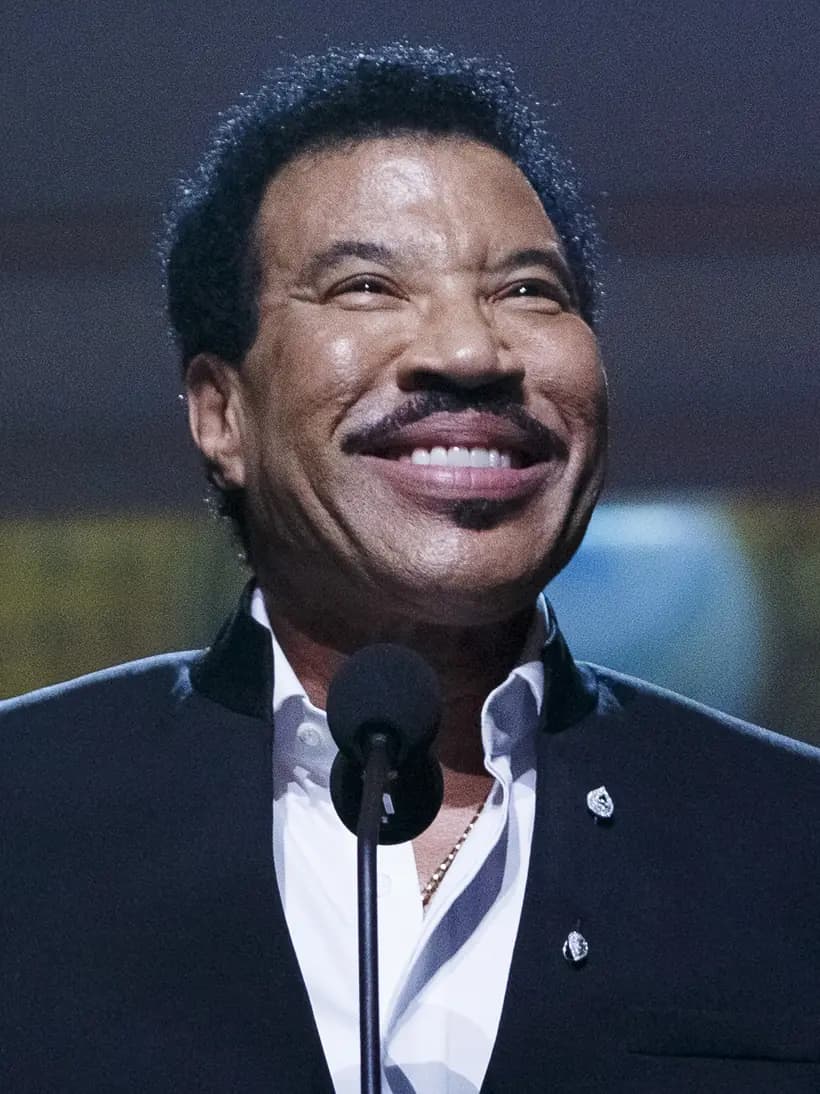
Can You Trademark the Sound of Your Own Voice? Inside the Lionel Richie Filings
On June 11, 2026, RichLion Holdings, Lionel Richie's intellectual property holding company, filed four applications to register audio recordings of Richie saying four famous phrases from his songs as service marks. Nothing is registered yet: each recording must eventually prove it functions as a brand rather than a famous lyric.
June 12, 2026 Trademark & Brand Protection
When a Rebrand Becomes a Trademark Lawsuit
The federal trademark dispute over the Beau Domaine skincare line began, according to the complaint, with a rebrand: two registered brands coexisted until one renamed its product line. The case shows why a rename, packaging refresh, or repositioning needs fresh trademark clearance even for an established business with its own registration, and why a registration is the start of the risk analysis, not the end of it.
June 11, 2026 Trademark & Brand Protection
Taylor Swift Trademarked Her Voice. Here's What That Means for Artists and Creators.
Taylor Swift filed three USPTO trademark applications on April 24, 2026: two soundmarks covering her voice and one visual trademark covering her performance image. The filings are legally creative but face real scrutiny. Here is what the applications actually contain and what creators should take from them.
May 8, 2026